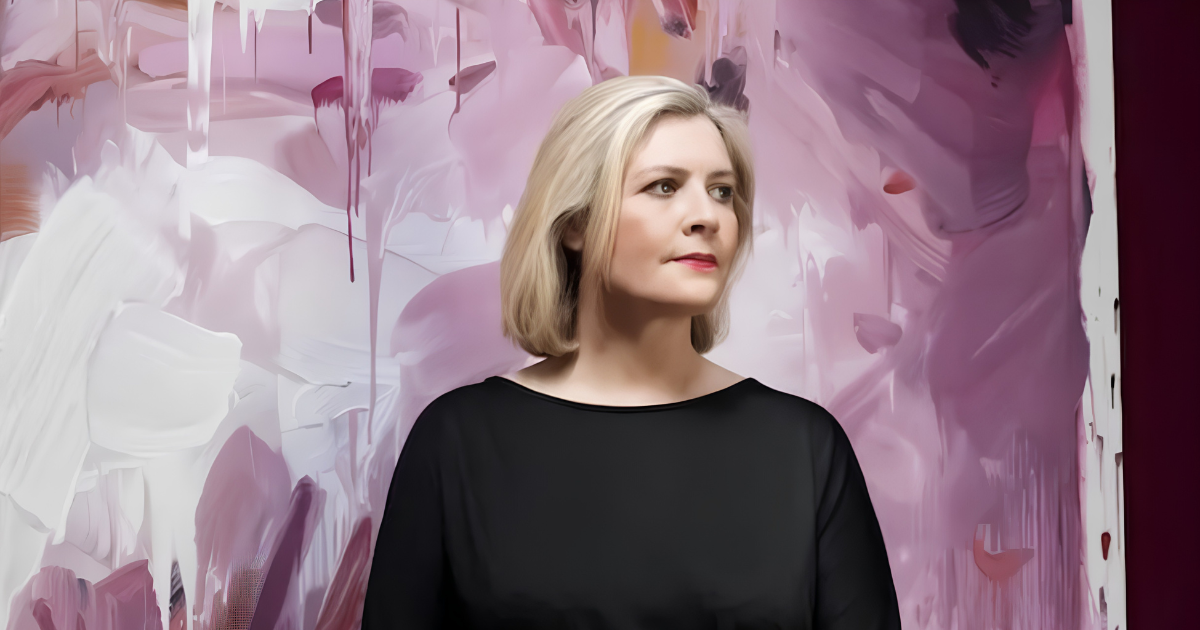
5 Questions with London-Based Art Advisor, Julia Bell
Apr 14, 2026
Interviewing visionary founders often reveals the quiet forces shaping creative industries and Julia Bell is one of those forces. As the founder and director of Parapluie, Bell has built a reputation for blending thoughtful design with a distinctive, forward-looking aesthetic. Her work doesn’t just follow trends. It reframes them, inviting audiences to see familiar ideas through a more intentional and imaginative lens.
In this conversation, Bell reflects on how that range of experience informs her approach to guidance, offering insight into what it means to build collections in an increasingly complex cultural landscape. She offers insight into building collections that are not only resilient, but also deeply reflective of a collector’s evolving perspective. Bell considers how the role of the advisor will continue to change and what collectors will increasingly expect from those they trust.
1AN: Drawing on three decades across public institutions, private advisory, and the market, how has that breadth of experience shaped the way you guide collectors today?
Julia Bell: Working across institutions, the market, and private advisory has given me a much wider lens on how art operates, not just culturally, but structurally, within the ecosystem.
Early in my career, I was very focused on the artist and the work itself—its context and significance. Understanding how to spot talent and nurture it through exhibitions, residencies, commissions, and collecting was central to everything I did. I was very conscious of the ingredients required for an artist not just to survive but to thrive in the art world, as well as the role one can play in sharing their work with an audience.
Through my experience in the market, I then learned how value is built, how it’s sustained, and sometimes how it’s misunderstood. Particularly after completing my appraisal training. Bringing these perspectives together means I’m not just helping collectors acquire artworks; I’m helping them understand where those works sit within a broader narrative.

I have always seen my role first and foremost as an educator. If I can help a client better understand the art world itself, and where an artist’s work sits within both the public and private sectors, then I can also help them recognize the important role they play as collectors, alongside how they can support artists through patronage and philanthropy, which many come to find deeply rewarding.
So, my client relationships are not purely transactional. I take great pleasure in giving clients the knowledge and confidence to engage with the art world I care so passionately about, in whatever way feels right for them.
1AN: That makes so much sense. When you founded Parapluie, what kind of collector were you building it for, and what were you seeing missing in the advisory landscape at the time?
Julia Bell: When I founded the advisory, I was really thinking about the role of educator and acting as a conduit between the artist and/or their commercial gallery and the client.
I knew there were people engaging with the public offer who were curious about how to buy art, but many found the market difficult to navigate. A lack of transparency is often cited, and the opaque way in which some galleries operate has deterred those who could have contributed meaningfully to the collecting field.
I also couldn’t stand the overt curatorial language often adopted to appear superior, which can make emerging collectors feel inadequate. Not to mention that much of it simply makes no sense. These are intelligent, often highly successful individuals in their own fields; they don’t appreciate being talked down to.
I made a clear decision that I would always offer straightforward, credible insight. I would ask artists and galleries the questions people genuinely want to ask but are often too nervous to voice. Buying art should be an exciting and pleasurable experience, and that has always been my approach. I am there to support, educate, and guide—always acting in the best interests of the client and what is genuinely right for them.
I never wanted to create a generic, scalable offering, because one-to-one relationships would inevitably be diluted. There are many platforms now that provide broad access to collecting and they serve an important role, but I wanted something more high-touch and personal. I am deeply interested in why and what people collect.
Now more than ever, I know our offering is boutique. My clients can call me at any time. I understand how they think and live, and that level of connection is exactly how I want to work.
1AN: It also helps that you’ve worked across emerging, post-war, and blue-chip markets. How do you help collectors understand when to take risk and when to anchor a collection with more established works?
Julia Bell: For many people, starting a collection already feels like a risk. Will that first purchase stand the test of time? Is it the right piece? Over time, as I get to know a client better, I can guide them on when it’s appropriate to take a risk and when a new acquisition should anchor what already exists.

In most cases, collecting begins with a desire to live with something meaningful day to day. Rarely do clients set out to build a large collection that immediately goes into storage. Collecting evolves as it grows from a desire to live with a few works into something more considered and expansive.
From the outset, I’m gathering insight into how clients live, what they are drawn to, and what interests them. I begin shaping a conceptual framework for a collection, often before they do, which then evolves over time. Eventually, this allows me to identify acquisitions that add depth, context, and cohesion.
Once that framework is established, I can suggest works that push those ideas further, whether by introducing emerging artists or grounding the collection with more established works that provide art historical context.
But we also need to question what we mean by “risk.” Is it the risk that a work won’t increase in financial value, or that the artist won’t secure a place within the canon? Both are valid concerns. However, if the work is strong and makes sense within a collection, then it isn’t truly a risk.
Good art is good art, regardless of whether the artist’s market or recognition grows. This links back to understanding the ecosystem. Some artists may never reach their full artistic or financial potential for reasons beyond their control, may those be geography, lack of gallery representation, or personal circumstances. That does not diminish the quality of their work.
From my experience in public institutions, I’ve seen artists collected at a moment when they had something important to say, even if their trajectory later unfolded differently than expected. Those works still hold value because they contribute meaningfully to the collection.
To me, the greatest risk lies elsewhere: in buying art driven by temporary narratives or overly thematic curatorial trends. If you remove an artwork from that context and project it thirty years into the future, can it stand on its own? Too often, I see works sustained by concepts that won’t endure. That, to me, is the real risk in collecting.
1AN: On that note, what mistakes do first-time collectors most commonly make, and how can they avoid them?
Julia Bell: Many would say moving too quickly is a common mistake, like being influenced by timing, social settings, or the fear of missing out. There is good advice suggesting that new collectors should take time, maybe six months or more, to look, learn, and refine their eye, and I agree with much of that.
However, sometimes you need a degree of decisiveness to make that first purchase. Your eye will continue to evolve far beyond those initial months. I don’t know any collector who hasn’t reassessed their early acquisitions, but they rarely regret them. Those works often represent an important stage in their journey and reflect a genuine personal connection at the time.
More practical mistakes, however, are quite common: overpaying; buying works that don’t suit a client’s lifestyle or space; or acquiring pieces with complex conservation needs that weren’t properly explained.
I also see issues with shipping and logistics: clients being overcharged for installation, or worse, paying multiple import taxes or customs duties due to a lack of specialist advice. As an advisor, I provide a full service, and all of this falls within my remit.
In fact, many new clients come to me after something has gone wrong and they realize it could have been avoided with the right guidance from the outset.

1AN: Interesting. How do you think the role of the art advisor is changing, and what will collectors increasingly expect from trusted advisors in the next decade?
Julia Bell: I believe the role is gaining credibility thanks to the work of many dedicated advisors. However, the profession is sometimes undermined by a minority who attract attention for the wrong reasons.
Going forward, collectors will increasingly demand trust and transparency from the outset of any relationship. For me, independence is key. Offering impartial advice, filtering the growing number of opportunities, and ensuring clients are exposed to the right ones while being protected from the wrong ones.
If you truly value long-term relationships with clients, that approach will always serve you well. Unlike dealers or galleries, advisors maintain ongoing, close contact with their clients, often over many years.
I take that responsibility seriously. For me, long-term relationships will always take precedence over short-term gains. Ultimately, strong relationships are the foundation of my business.
Connect with Julia here.
Recommended articles




Author
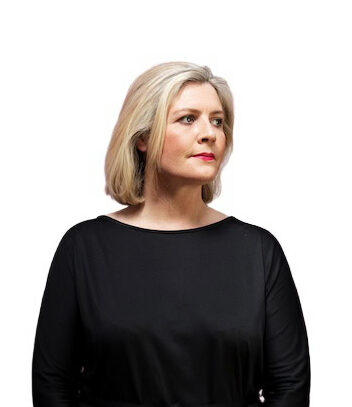
Julia Bell
Founder and Director of Julia Bell Art Advisory (formerly Parapluie) , Julia Bell has 30 years’ experience within the international art world as an art advisor, appraiser, curator, consultant and art market commentator. She has extensive knowledge of modern, post-war and contemporary art markets from emerging to blue-chip artists and advises both private and corporate clients located in the...
Recommended Videos

Charlie Manzo, Alaina Simone, Muys Snijders, Kyle McGrath, Caren Petersen, Jason Rulnick, Elysian McNiff Koglmeier, Bianca Cutait, Linda Mariano, Jack Mur







Steven R. Schindler, Katherine Wilson-Milne, Jacqueline Towers-Perkins, Annelien Bruins, Mary Buschman, Heidi Lee-Komaromi, Drew Watson


Steven R. Schindler, Katherine Wilson-Milne, Jacqueline Towers-Perkins, Roxanne Cohen, Alanna Butera, Annelien Bruins