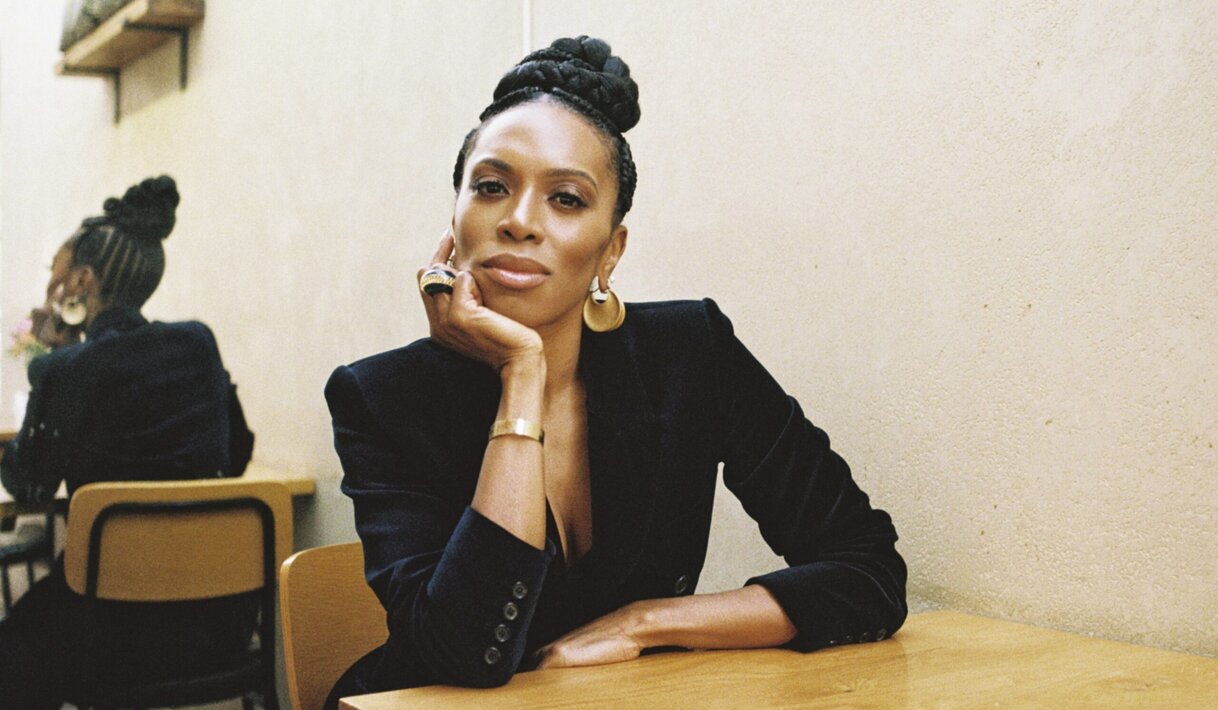
5 Questions with Curator, Cultural Strategist and Advisor, Lisa Anderson
Apr 27, 2026
As the art world shifts toward deeper, more intentional collecting, Lisa Anderson is helping lead the way. Through Lisa Anderson Art Advisory (LAAA), she champions artists from the African Diaspora, especially UK-based voices that are finally gaining the recognition they deserve.
Blending art advisory with curation and immersive experiences, Anderson encourages collectors to look beyond single acquisitions and instead build collections rooted in story, context, and cultural insight.
In this conversation, Anderson reflects on the growing visibility of Black British and African Diaspora artists, the role of digital platforms in reshaping discovery, and how collectors can build meaningful, culturally informed collections that resonate both personally and historically.
1AN: Lisa Anderson Art Advisory (LAAA) is dedicated to providing authentic access to art from the African Diaspora, particularly UK-based artists, a field many collectors are still discovering. For those new to this space, what foundational knowledge is essential to understanding why these works matter aesthetically, culturally and historically?
Lisa Anderson: What’s essential to understand is that art from the African diaspora is not a niche or emerging category. It is part of the cultural foundation of modern Britain and, more broadly, the contemporary world. To engage meaningfully with this work, collectors need to look beyond aesthetics alone and consider three interrelated dimensions.
Firstly, historical context. Much of this work emerges from histories that have been fragmented, overlooked or misrepresented. Artists are often working in dialogue with archives, memory, migration and identity, sometimes making visible what has previously been excluded from dominant narratives.
Secondly, cultural significance. These practices are not isolated. They sit within wider cultural movements that have shaped music, fashion, language and public life. In that sense, they are part of a broader cultural ecosystem, not separate from it.
And finally, aesthetic innovation. Many artists working across the diaspora are pushing material, conceptual and formal boundaries in ways that are deeply rigorous and highly distinctive. Understanding these three layers together allows collectors to move from simply appreciating a work to recognizing its place within a much wider cultural and historical conversation.

1AN: Perhaps this lack of understanding is one reason that Black British and African Diaspora artists have often been underrepresented in major collections. What practical steps can collectors take to engage with and integrate these artists thoughtfully, and what long-term impact can that have?
Lisa Anderson: Firstly, invest time in research and relationships. This means visiting exhibitions, attending talks, and where possible, meeting artists and curators. The art world is highly relational, and understanding grows through proximity and dialogue.
Secondly, look beyond established validation systems. Many artists from the African diaspora have historically been underrepresented in major collections, which means there is still significant opportunity to engage with important work earlier in its trajectory.
Third, work with advisors or curators who have depth of knowledge in this area. This helps ensure that decisions are informed by cultural insight, not just market trends.
And finally, think long-term. The impact of collecting in this space is not only financial. It contributes to: visibility, institutional recognition and the shaping of future art histories. Thoughtful collecting can play a meaningful role in shifting how value is recognized and sustained over time.
1AN: Platforms like Black British Art have helped spotlight under-recognized artists ahead of mainstream attention. How has digital curatorial practice reshaped how collectors discover and engage with emerging or overlooked artists, and what should they be paying attention to in this evolving landscape?
Lisa Anderson: Digital platforms have fundamentally reshaped how artists are discovered and how conversations around art are formed.
Platforms like @blackbritishart have played an important role in creating visibility, building networks and shaping discourse at a time when institutional recognition was more limited.
What digital curatorial practice does particularly well is: surface artists outside traditional gatekeeping structures, create direct lines of engagement between artists and audiences, and accelerate the circulation of ideas and influence.
However, it also requires discernment. For collectors, the key is not just to follow visibility, but to understand: the depth and consistency of an artist’s practice, the contexts in which their work is being discussed, and how digital presence translates into sustained artistic development.

The most effective approach is to use digital platforms as an entry point, but to complement that with deeper forms of engagement. Studio visits, exhibitions, critical writing and trusted advisory relationships.
1AN: Speaking of engagement, LAAA is known for creating immersive experiences around art. What role does immersive engagement play in deepening a collector’s emotional and intellectual connection to the works they acquire?
Lisa Anderson: Immersive engagement is critical because it moves the experience of art beyond observation into embodied understanding. When collectors encounter work through exhibitions, studio visits, conversations with artists or curated environments, they begin to engage with it on multiple levels. Not just intellectually, but emotionally and sensorially. That kind of engagement creates a deeper connection. It allows a collector to understand how a work is made, what it's responding to and how it sits within a wider practice.
In my curatorial work, I think a lot about how to create these conditions of encounter. How space, sequencing, context and dialogue can support a more meaningful experience of the work. Because ultimately, the more deeply someone engages with a work, the more considered and confident their decisions become as a collector.
1AN: On that note, your work goes beyond transactions into tailored consultancy and exhibition curation. How do you support collectors in moving from acquiring individual works to building a cohesive and meaningful collection narrative rooted in cultural insight?
Lisa Anderson: Moving from acquiring individual works to building a collection is really a shift in mindset. It requires thinking less about isolated objects and more about relationships between works, ideas and histories.
In my advisory work, I support collectors by helping them identify a clear line of enquiry. That might be a thematic focus, a set of questions, or a particular relationship to history, material or place. From there, we build a collection that develops over time with intention. This often involves: spending time with artists and understanding their practice in depth, situating works within broader cultural and institutional contexts, and thinking about how works speak to one another across time.
What emerges is not just a group of artworks, but a coherent narrative that reflects both the collector’s perspective and the wider cultural significance of the work. Ultimately, a strong collection is not defined by scale, but by clarity, depth and integrity of vision.
Connect with Lisa here.
Recommended articles



Author
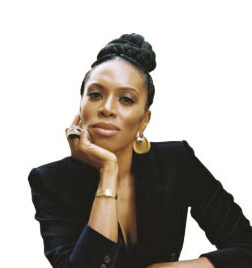
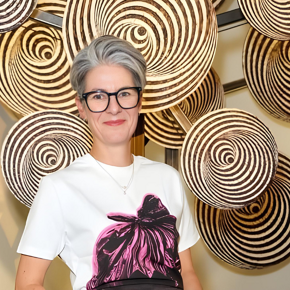
Lisa Anderson
Lisa Anderson is a curator, cultural strategist and advisor working across artists, institutions and collectors. Currently Associate Director at Messums London, she also leads an independent consultancy focused on African diasporic art and cultural value.
With a background in Human Rights and International Relations, her work explores culture as social infrastructure, with a particular...
Recommended Videos

Charlie Manzo, Alaina Simone, Muys Snijders, Kyle McGrath, Caren Petersen, Jason Rulnick, Elysian McNiff Koglmeier, Bianca Cutait, Linda Mariano, Jack Mur






Steven R. Schindler, Katherine Wilson-Milne, Jacqueline Towers-Perkins, Roxanne Cohen, Alanna Butera, Annelien Bruins



Steven R. Schindler, Katherine Wilson-Milne, Jacqueline Towers-Perkins, Annelien Bruins, Mary Buschman, Heidi Lee-Komaromi, Drew Watson