The Art Market Is Slowing Down And That’s a Good Thing
Apr 10, 2026
After years of acceleration, the art market is finally taking a breath. What once felt like a constant race, fueled by auctions, art fairs, and an endless stream of digital visibility, is beginning to slow. For some, this shift may feel unsettling. In reality, it signals something far more important, a return to discipline.
Across spring 2026, one theme is becoming increasingly clear. Collectors are moving away from reactive buying and toward more deliberate, informed decision-making. This is not a loss of energy or interest. It is a sign that the market is maturing. As highlighted in the Art Basel & UBS Global Art Market Report 2026, the global market has entered a phase of recalibration, with modest growth but a more measured and disciplined pace.
The End of Hype-Driven Buying in the Art Market
For much of the past decade, speed defined the art world. Works sold quickly, prices moved even faster, and the pressure to act often without hesitation became part of the culture. Visibility played an outsized role in shaping perception. If an artist appeared everywhere, from fairs to social feeds, it was easy to assume they mattered.
But visibility is not the same as value. That distinction, long understood by experienced collectors, is now becoming more widely recognized. The hype cycle that once drove momentum is beginning to lose its influence, replaced by a quieter, more measured approach.
How the Post-Boom Correction Is Reshaping the Art World
This shift is not happening in isolation. The broader economic environment matters. Across industries, from tech to real estate to collectibles, we are seeing the effects of a post-boom correction. Speculation is giving way to scrutiny. Buyers are becoming more cautious, more analytical, and more aware of risk.
The art market, often treated as its own ecosystem, is not immune to these forces. Data from the Art Basel & UBS report analysis via Observer confirms that while the market returned to growth in 2025, the recovery remains uneven and structurally different from previous boom cycles.
Why Art Collectors Are Moving Away From FOMO
One of the clearest signs of this change is the decline of urgency. For years, fear of missing out drove decisions. The idea that an opportunity might disappear created pressure to act quickly, sometimes at the expense of clarity.
Today, that urgency is fading. Collectors are taking more time, asking better questions, and becoming more comfortable walking away. This aligns with broader market behavior, where caution is replacing speculation and long-term positioning is taking precedence over short-term wins.
The Rise of Intentional Art Collecting Strategies
In place of impulse, structure is emerging. Collectors are no longer just acquiring works, they are building frameworks around their decisions. What was once instinctive is now increasingly strategic. There is a growing emphasis on coherence, on how individual works relate to one another, and on how a collection evolves over time. This kind of intentionality is what separates casual buying from serious collecting.
Why a Slower Art Market Creates Better Opportunities
A slower market is often misunderstood as a weaker one. In reality, it creates space, space to think, to evaluate, and to act with greater precision. When the pace slows, pricing becomes more rational. Conversations deepen. Relationships between collectors, galleries, and artists become less transactional and more meaningful. Market analysis shows that while sales have returned to growth, they remain below previous peaks, reinforcing a more cautious and selective environment.
The Impact of Social Media on Art Market Perception
Digital platforms have fundamentally changed how art is discovered. Instagram and online viewing rooms have made the market more accessible, but they have also intensified the sense of constant movement.
The result is a paradox. While access has improved, interpretation has become more difficult. The sheer volume of visibility can create the illusion that everything matters equally, and urgently. Collectors are now learning to filter that noise.
Why Visibility Does Not Equal Long-Term Value in Art
The most common mistake in a visibility-driven market is confusing presence with importance. Just because something is widely seen does not mean it will endure. Long-term value in art is rarely built on consensus. It is built on conviction, context, and consistency over time. This is where discipline becomes critical. Collectors who understand this are less concerned with what is trending and more focused on what is meaningful.
Precision, Timing, and Discipline in Art Acquisition
Access, once the defining advantage in the art world, is no longer enough. What matters now is precision, knowing what to acquire, when to acquire it, and at what price.
This requires a deeper level of engagement. It involves understanding not just the work itself, but the conditions around it, market positioning, artist trajectory, and broader context. Discipline, in this sense, is not restrictive. It is what allows collectors to move with confidence.
The Evolving Role of Art Advisors in a Slower Market
As the market shifts, so too does the role of the advisor. The focus is moving away from facilitating transactions and toward providing structure and clarity. Advisors are increasingly expected to help navigate complexity, identifying risks, challenging assumptions, and aligning decisions with long-term goals. In a slower market, this kind of guidance becomes even more valuable.
The Future of the Art Market, Stability, Strategy, and Long-Term Value
What we are seeing is not a temporary slowdown, but a structural change. The next phase of the art market will be defined by greater discipline, more informed participants, and a stronger emphasis on long-term value. For collectors, this presents an opportunity. A slower market rewards those who are willing to think independently, engage deeply, and act with intention.
The art market is slowing down. And far from being a cause for concern, it may be the most constructive shift the industry has seen in years.
Recommended articles



Recommended Videos
Charlie Manzo, Alaina Simone, Muys Snijders, Kyle McGrath, Caren Petersen, Jason Rulnick, Elysian McNiff Koglmeier, Bianca Cutait, Linda Mariano, Jack Mur
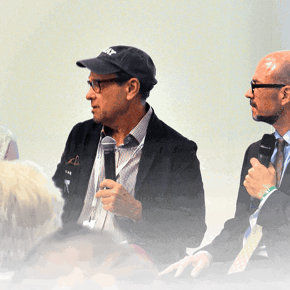
Bruce Helander, Harold Porcher, Annelien Bruins