
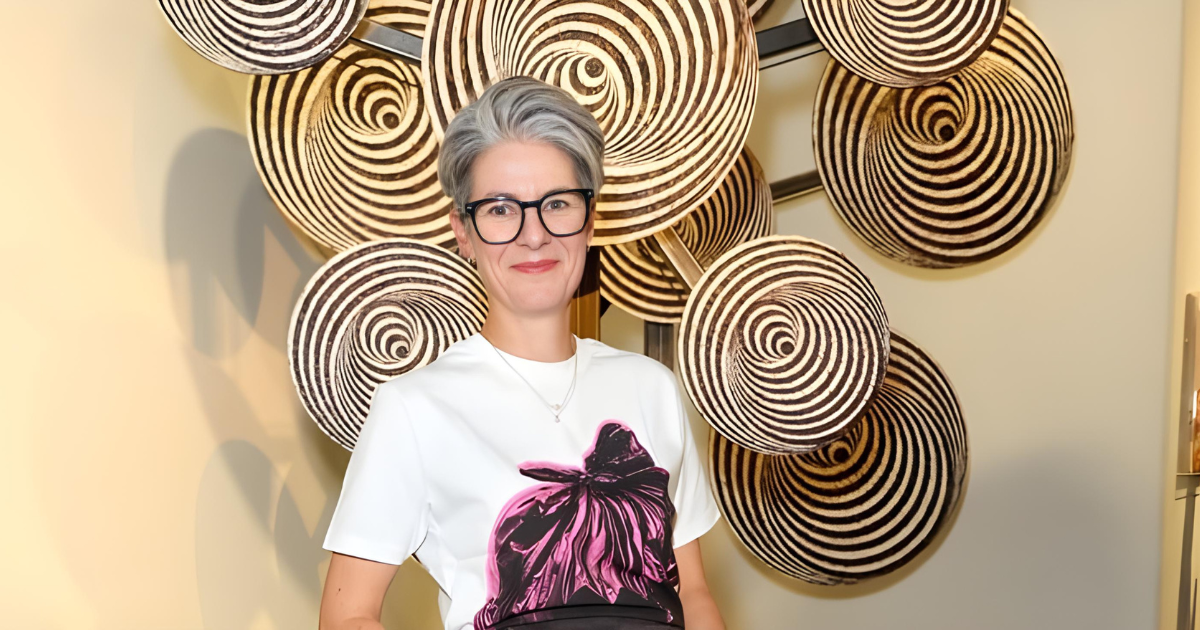
5 Questions with Curator and Advisor, Beth Greenacre
Jun 26, 2026
Few figures in the contemporary art world have navigated the intersections of collecting, curating and cultural stewardship with the breadth and curiosity of Beth Greenacre. Over the past two decades, Beth has built a reputation for championing artists, shaping collections and creating meaningful dialogues between art, history and society.
Perhaps best known for her long-standing role as curator of David Bowie’s celebrated art collection, Beth worked closely with the musician and collector for more than sixteen years, helping to develop and interpret a collection that reflected a remarkable vision of modern and contemporary art. Yet her career extends far beyond Bowie. From directing innovative platforms for emerging artists to curating major exhibitions and advising collectors, institutions and cultural organizations, she has consistently sought to make art more accessible, relevant and transformative.
Today, Beth continues to explore how art can deepen our understanding of the world and the stories we tell about it. We sat down with her to discuss the lessons she learned from working so closely with David Bowie and how that experience shaped her understanding of collecting, curiosity and creative risk. Looking back across a career that has spanned Bowieart, Rokeby Gallery, SXSW and numerous advisory and curatorial roles, we also explored what has remained constant in her definition of meaningful collecting. Read on to learn how her perspective has evolved as the art world has become increasingly global.
_______________
1AN: Drawing on more than two decades working across the market as a curator, advisor and consultant, how has your perspective on collecting evolved as the art world has become more global?
Beth Greenacre: I am not sure my perspective on collecting has changed as the world has become more global. Collecting is a very personal pursuit, and what motivates collectors varies widely. One obvious shift in recent years is access: access to artists and to information. We can hope this encourages more collectors to engage in the market.
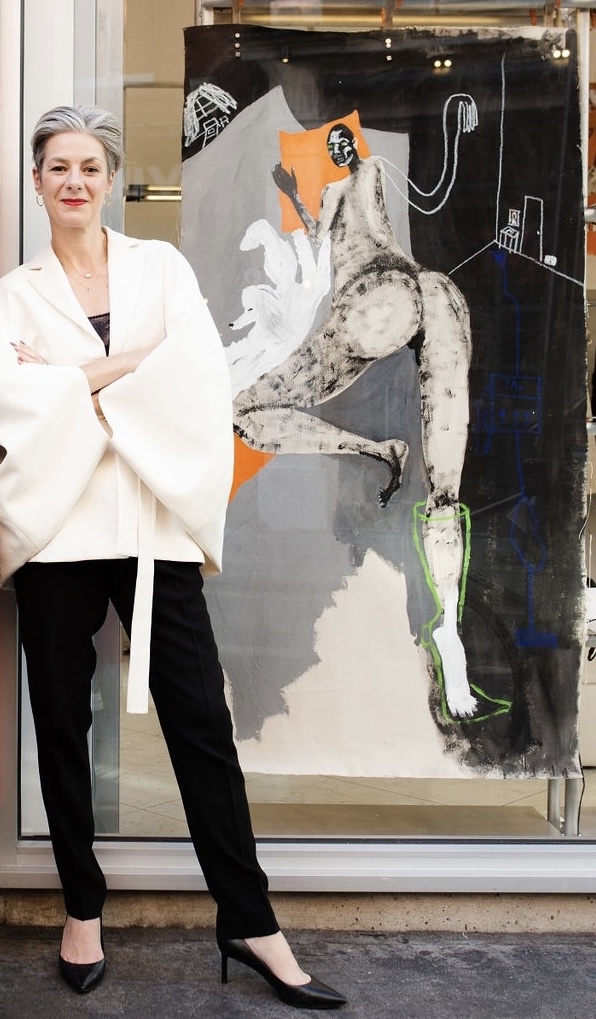 1AN: Your relationship with David Bowie shaped a significant chapter of your career. How did working so closely with one of the most influential cultural figures of our time change the way you think about collecting, curiosity and risk?
Beth Greenacre: It takes clarity and informed judgment to build collections with long-term value and cultural legacy.
David had an incredibly inquisitive and open approach to looking at art and collected on a very personal level. Collecting art combines intellectual enquiry, aesthetic sensibility and personal meaning; this is how David collected. David was not led by fashion; his was a personal journey, and working with him laid the foundations for the way I work with all my clients. The key takeaway for me is to look, explore, listen and advise, while remaining open to being led.
1AN: We would expect nothing less from Bowie. In alignment, Bowieart was also radically ahead of its time in using the internet to support emerging artists. Looking back now, what feels most prescient about that project in today’s digital-first art ecosystem?
Beth Greenacre: You are right, it was a radical project. David understood the power and potential of the internet, which in the ’90’s was completely misinterpreted. We all remember the 1999 BBC Newsnight interview with Jeremy Paxman, when David fell off his chair at Paxman's dismissal of the internet as merely "a tool". He talked about the Internet as enabling a “demystification process [going on] between the artist and the audience”. The relationship between audience and artist is something David explored throughout his career, and the internet excited him as a medium that could push that further. But let’s not forget he also recognized its destructive powers.
1AN: Having worked closely with both blue-chip works and overlooked voices, what advice would you give collectors who want their collections to feel culturally relevant rather than purely market-led?
Beth Greenacre: Don’t listen to the noise! Be led by rigorous engagement and enquiry.
1AN: Surely Bowie would agree with you. Looking back across your career from Bowieart to Rokeby Gallery to SXSW, what has remained constant in how you define meaningful collecting?
Beth Greenacre: I studied Art History, and I often find myself contextualizing contemporary global practices through a historical lens. On the flip side, a question I often ask the collectors I work with is: ‘Will this artist be written into art history and if so, why?’. It is a helpful lens for understanding the various value structures we place on artists and artworks.
Ultimately, however, we should collect work that resonates with us.
Connect with Beth here.
Recommended articles




Recommended Videos

Charlie Manzo, Alaina Simone, Muys Snijders, Kyle McGrath, Caren Petersen, Jason Rulnick, Elysian McNiff Koglmeier, Bianca Cutait, Linda Mariano, Jack Mur






Steven R. Schindler, Katherine Wilson-Milne, Jacqueline Towers-Perkins, Roxanne Cohen, Alanna Butera, Annelien Bruins



Steven R. Schindler, Katherine Wilson-Milne, Jacqueline Towers-Perkins, Annelien Bruins, Mary Buschman, Heidi Lee-Komaromi, Drew Watson