
Beyond Blue-Chip: Why Emerging Artists Are Changing the Art Market
Oct 28, 2026
The next generation of collectors is looking beyond familiar names, discovering independent galleries and reconsidering what makes an artist worth collecting. But in a more selective art market, discovery is only the beginning.
The next important artist may not be hanging in a prestigious museum or represented by a powerhouse gallery. They could be exhibiting in a small independent space, attracting attention at an emerging art fair, or building an international following long before the traditional art establishment takes notice.
For collectors, that possibility has always been part of the excitement of contemporary art. What's changing is how those discoveries happen, who's making them, and what it takes for an unfamiliar artist to build lasting recognition. The numbers reveal a fascinating contradiction.
According to the Art Basel and UBS Survey of Global Collecting 2026, 72% of surveyed high-net-worth collectors now conduct substantial independent research before buying art. Yet the proportion purchasing work by newly discovered artists has fallen from 66% to just 45%. Collectors are looking further, researching more and buying more selectively.
So, is this really a new golden age for emerging artists? Or are we witnessing something more interesting: a fundamental change in how artistic talent is discovered, evaluated and collected?
A New Generation Is Redefining What Makes Art Collectible
For decades, established names offered collectors a certain reassurance. Museum exhibitions, auction records, prestigious gallery representation and institutional recognition helped define an artist's place in the market. Those credentials still matter. But younger collectors are increasingly willing to look beyond them.
The latest Art Basel and UBS research found that Gen Z collectors reported average fine-art spending more than twice that of any older generation surveyed. Among Gen Z respondents, 56% had purchased work by an unfamiliar artist, compared with 36% of baby boomers. These findings reflect affluent collectors rather than the broader population, but they reveal an important shift in attitudes.
Younger buyers are not necessarily rejecting established artists. They're expanding the conversation around who deserves attention. An artist's cultural perspective, originality, personal narrative and relevance to contemporary life can be just as compelling as an impressive auction history.
For galleries and art advisors, this creates an interesting challenge. Reputation alone may no longer be enough to inspire the next generation. Collectors increasingly want to understand the work, the artist and the ideas behind it.
The Independent Gallery Is Having a Moment
One of the more encouraging developments in the contemporary art market is the resilience of smaller dealers. The Art Basel and UBS Art Market Report 2026 found that dealers with annual turnover below $500,000 recorded the strongest growth in average sales values during 2025.
This doesn't mean independent galleries have suddenly become more profitable than their larger competitors. Rising operating costs, expensive art fairs and a shrinking pool of buyers remain significant challenges. But smaller galleries can offer something that collectors increasingly appreciate: a distinctive curatorial vision and closer access to artists.
Rather than competing solely on reputation or scale, independent dealers often build their identities around experimentation, underrepresented practices and artists who challenge established conventions. These spaces can be where collectors encounter work that feels genuinely unexpected.
And in a market saturated with familiar names and polished presentations, originality can be a powerful advantage.
Frieze London 2026 Offers a Glimpse of What's Changing
The recent edition of Frieze London provided a revealing snapshot of this evolving landscape. While established galleries reported substantial transactions, some of the most interesting activity came from smaller exhibitors presenting experimental work at comparatively accessible prices.
According to The Art Newspaper's October 2026 reporting, London's Harlesden High Street gallery sold out its presentation of conceptual works by Marcus Jefferson, priced between £2,000 and £8,000. The gallery had moved away from conventional painting presentations in favour of more challenging conceptual practices.
Meanwhile, Shanghai's Gallery Vacancy attracted buyers for sculptures by Anna Gonzalez Noguchi, including acquisitions by a foundation and a private collector. The results suggest that collectors remain willing to take creative risks when the work feels compelling and the financial commitment is manageable.
Artsy's Frieze London 2026 sales report also documented sold-out presentations among younger galleries, alongside significant institutional acquisitions. These examples are not proof of a market-wide emerging-art boom. They demonstrate something more useful: even in uncertain conditions, adventurous work can find serious buyers.
Discovery Is Becoming Global, Not Just Digital
Social media and online art platforms have undeniably changed how collectors encounter artists. An emerging painter can now reach audiences far beyond their home city without waiting for international gallery representation. But visibility is only part of the story.
The more significant change may be the expanding international network of collectors, curators, institutions and independent galleries bringing new artistic perspectives into the conversation. At Frieze London and Frieze Masters 2026, attendance from India and China more than doubled compared with the previous year, according to Frieze's official fair report. The fairs also attracted representatives from hundreds of international institutions.
This growing exchange matters for artists working beyond the traditional Western art-market centres, particularly across Africa, Latin America, the Middle East and Asia. It creates opportunities for artistic practices shaped by different histories, materials and cultural experiences to reach broader audiences.
For collectors, however, meaningful discovery requires more than identifying the next fashionable region. Understanding an artist's cultural context, artistic influences and professional development remains essential. A compelling collection should reflect genuine curiosity, not simply the pursuit of the next market trend.
Why Collectors Are Researching More but Buying Less
Here lies the most important distinction in today's emerging-art market. Greater visibility does not automatically translate into greater demand.
The decline in purchases of newly discovered artists, documented by Art Basel and UBS, suggests that collectors are becoming more cautious about unfamiliar names. That caution is understandable. The contemporary art market has experienced periods when young artists attracted rapid commercial attention, only for demand and resale prices to weaken as enthusiasm shifted elsewhere. For collectors who purchased primarily on market momentum, those fluctuations can be costly.
The latest findings suggest a growing emphasis on due diligence, artistic consistency and longer-term relevance. Interestingly, this could ultimately benefit emerging artists whose careers develop steadily rather than through sudden speculation.
Instead of asking which artist might become the next auction sensation, collectors may be asking a more valuable question: whose work will continue to matter in ten or twenty years?
What Makes an Emerging Artist Worth Collecting?
There is no universal formula for identifying an artist with lasting significance. Even experienced collectors, curators and art advisors cannot predict an artistic career with certainty. But there are meaningful indicators worth exploring.
A distinctive visual language is a good starting point. Does the artist have an identifiable approach, or does the work simply resemble whatever is currently fashionable? Equally important is the development of the practice. Strong artists evolve, experiment and deepen their ideas over time.
Exhibition history, curatorial engagement, institutional interest and the quality of gallery representation can provide valuable context. So can transparent pricing and a consistent approach to placing work with collectors.
None of these factors guarantees future financial appreciation. And that's an important distinction. Buying emerging art should not be confused with buying an undervalued financial asset. The market for younger artists can be relatively illiquid, with limited resale opportunities and unpredictable demand.
For many collectors, the greatest reward lies elsewhere: discovering a compelling artistic voice, supporting its development and building a collection that reflects personal conviction.
The Art Advisor's Role Is Becoming More Important, Not Less
With so much art available to discover, it might seem that collectors have less need for professional guidance. The opposite may be true. Digital platforms can introduce collectors to thousands of artists, but they cannot replace every aspect of connoisseurship, market knowledge and professional judgment.
Experienced art advisors like those part of One Art Nation help distinguish sustained artistic development from temporary visibility. They examine provenance, pricing, exhibition histories and the broader context in which an artist's career is unfolding. They also help collectors understand how an acquisition fits within an existing collection, both aesthetically and financially.
For galleries, the opportunity is similar. Those investing in meaningful artist relationships, thoughtful exhibitions and transparent communication may be better positioned to earn long-term collector confidence. The future of art collecting is unlikely to be a choice between technology and expertise. It will increasingly depend on how effectively the two work together.
Beyond the Blue-Chip Names, a More Interesting Art Market Is Emerging
The established art market isn't disappearing, and blue-chip artists are unlikely to lose their influence anytime soon. But the definition of a compelling collection is expanding.
Collectors are discovering artists through more channels, independent galleries are experimenting with new approaches, and international perspectives are enriching the contemporary art conversation. At the same time, greater selectivity is encouraging a more thoughtful approach to acquisitions.
For emerging artists, the challenge is no longer simply getting noticed. It's building a practice that continues to resonate after the initial excitement fades.
For collectors, the opportunity is to look beyond reputation and engage with work on its own terms.
And perhaps that's the most encouraging development of all. The future of collecting may belong not to those who discover the next expensive artist first, but to those who recognize artistic significance before the market tells them what to think.
Recommended articles



Recommended Videos
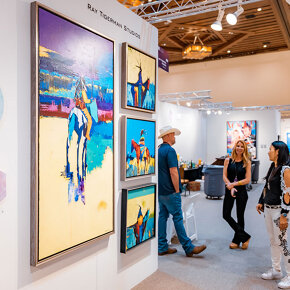
Charlie Manzo, Alaina Simone, Muys Snijders, Kyle McGrath, Caren Petersen, Jason Rulnick, Elysian McNiff Koglmeier, Bianca Cutait, Linda Mariano, Jack Mur

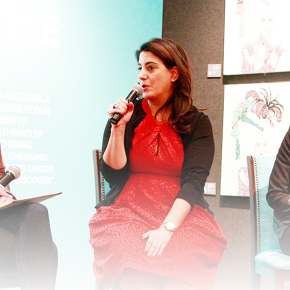
Jacqueline Towers-Perkins, Annelien Bruins, Stephanie Manasseh

Madelaine D'Angelo, Thomas Galbraith, Michael Phillips Moskowitz