Why Today's Art Collectors Value Experience as Much as Ownership
Jul 21, 2026
There was a time when collecting art was defined almost exclusively by acquisition. Success was measured by the works that entered a collection, the artists represented on its walls, and the prestige associated with ownership. While those markers still hold significance, the motivations behind collecting are evolving. Today's collectors are seeking something that extends beyond possession alone. They are investing in knowledge, relationships, cultural participation, and experiences that enrich the meaning of every acquisition.
This shift reflects a broader transformation taking place across the luxury sector, where experiences increasingly hold as much value as tangible assets. Within the art world, collectors are discovering that the journey surrounding an artwork often becomes as memorable as the artwork itself.
Collecting Art Is Becoming a Cultural Journey
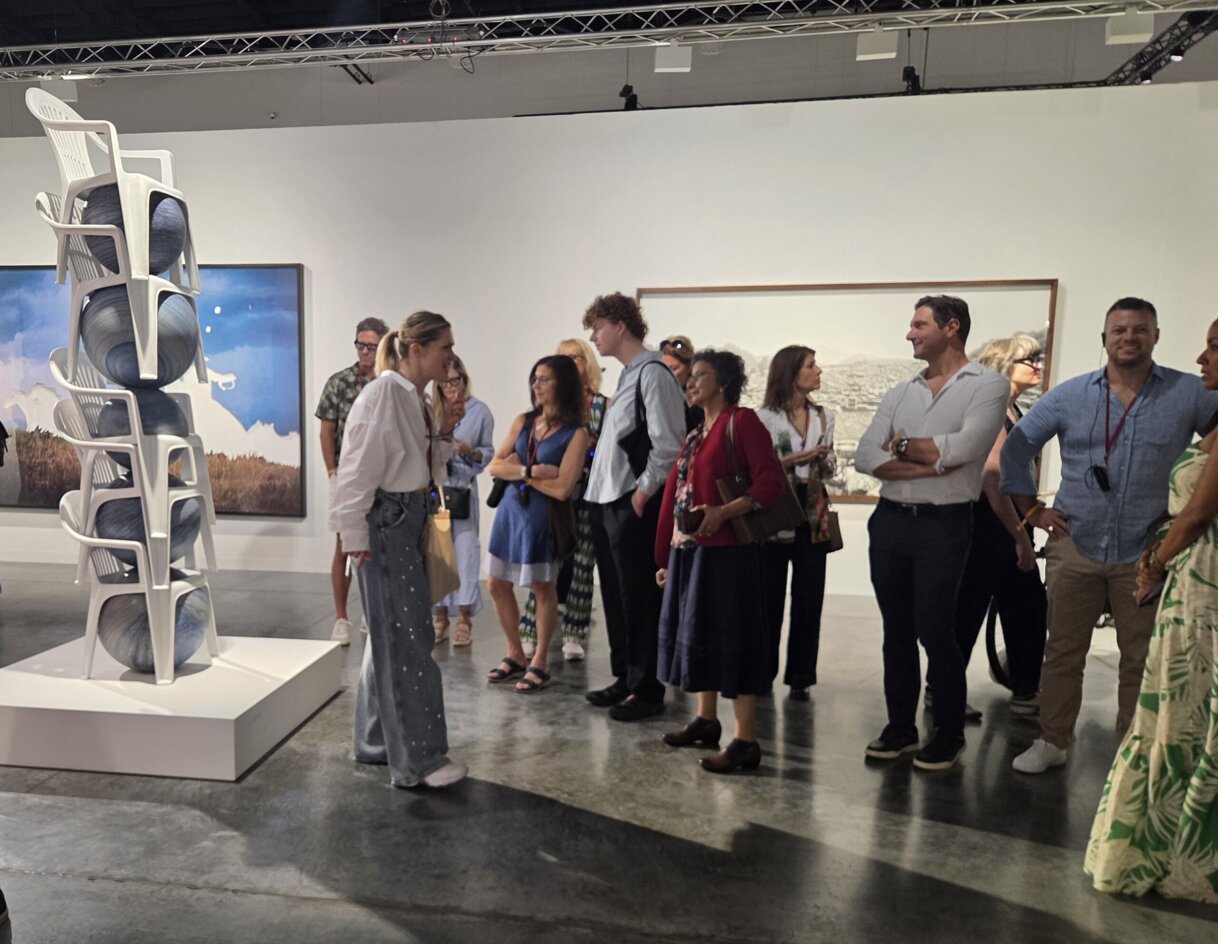
Owning a remarkable work of art remains the ultimate goal for many collectors, but the path leading to that acquisition has become far more immersive. Rather than making decisions based solely on market performance or established reputations, collectors are spending time visiting artists' studios, attending museum exhibitions, engaging in gallery conversations, and travelling to international art fairs and biennials.
Each of these experiences provides context that cannot be found in an auction catalogue or price database. They allow collectors to understand an artist's practice, discover the ideas that shaped a body of work, and appreciate the cultural significance behind an acquisition.
As discussed in One Art Nation's article, Trusting Your Eye, developing confidence as a collector begins with exposure and education rather than simply following trends. That philosophy has become increasingly relevant as today's collectors embrace a more thoughtful approach to building their collections.
The Experience Economy Has Reached the Art World
The rise of the experience economy has transformed industries ranging from hospitality to luxury travel, and the art market is no exception. Collectors increasingly value opportunities that foster meaningful engagement with artists, curators, galleries, and cultural institutions.
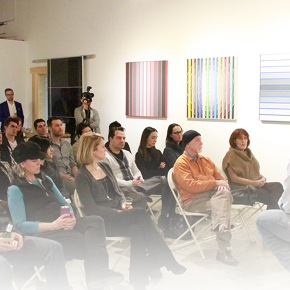
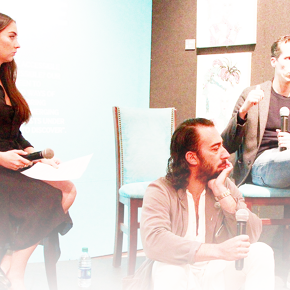
Whether attending an exhibition preview, participating in a curator-led discussion, or visiting an artist's studio before purchasing a work, these moments create lasting connections that deepen appreciation for the art itself.
According to the Art Basel & UBS Survey of Global Collecting 2025, today's collectors are placing greater emphasis on discovering artists and developing long-term relationships within the cultural community rather than focusing exclusively on transactions.
Knowledge Has Become a Form of Collecting
The contemporary collector is increasingly driven by curiosity. Educational opportunities like those offered by One Art Nation, scholarly publications, museum programming, and expert discussions have become essential components of the collecting journey. Acquiring knowledge is no longer viewed as a precursor to collecting. It has become an integral part of collecting itself.
One Art Nation has long championed this approach through its educational content and conversations with leading voices across the art world. Features such as 5 Questions with Beth Greenacre highlight the importance of cultivating an informed eye and developing a personal collecting philosophy rather than chasing short-term market movements. Knowledge ultimately creates confidence, and confident collectors tend to build more distinctive collections over time.
Meaning Is Becoming More Valuable Than Status
One of the most notable shifts in recent years has been the growing emphasis on emotional and intellectual connection. Rather than asking which artist is generating the highest auction results, many collectors are asking different questions altogether. They want to know why a work matters, how it reflects an artist's practice, and what conversations it may inspire within their homes.
This evolution suggests that collecting is becoming increasingly personal. Recent reporting by Artsy has similarly observed that collectors are demonstrating greater selectivity and placing increased value on authenticity, transparency, and long-term engagement with artists and galleries. The result is a collecting culture that rewards patience over immediacy and substance over spectacle.
Art Fairs Are Becoming Cultural Destinations
The role of the international art fair has changed dramatically over the past decade. Events such as Art Basel, Frieze, and TEFAF are no longer viewed simply as marketplaces. They have evolved into global cultural gatherings where collectors encounter new ideas, reconnect with galleries, discover emerging artists, attend panel discussions, and immerse themselves in the broader conversations shaping contemporary art.
For many collectors, acquisitions represent only one part of the experience. Equally valuable are the relationships formed, the exhibitions visited, and the insights gained throughout the event. These encounters often influence future collecting decisions long after the fair has concluded.
Relationships Continue to Shape Great Collections
Despite the increasing digitization of the art market, relationships remain its most valuable currency. Online viewing rooms and digital marketplaces have undoubtedly expanded access to art, yet they cannot replace the trust developed through conversations with artists, curators, gallerists, conservators, and fellow collectors.
The strongest collections are rarely assembled through isolated purchases. Instead, they evolve through years of dialogue, shared experiences, and continued engagement with the artistic community.
This emphasis on relationships echoes themes explored throughout One Art Nation's interviews with collectors, curators, and market leaders, where thoughtful engagement consistently emerges as one of the defining characteristics of successful collections.
Slower Collecting Is Producing Stronger Collections
The pace of collecting is changing. Rather than feeling pressure to acquire quickly, many collectors are embracing a slower, more deliberate approach. They are following artists over several years, revisiting exhibitions, researching historical context, and allowing their tastes to evolve naturally before making significant acquisitions.
This shift reflects a growing confidence in personal judgment rather than market momentum. It also produces collections that possess greater coherence because each acquisition contributes to a broader narrative rather than responding to short-lived trends.
The Next Generation Is Redefining Success
Emerging generations of collectors have expanded the definition of what it means to build an important collection.
For many, success is measured not only by the works they acquire but also by the artists they support, the communities they engage with, and the cultural experiences they help sustain. Collecting has become increasingly collaborative, reflecting a desire to participate in the broader artistic ecosystem rather than simply observe it.
The Financial Times' arts coverage has frequently explored this generational shift, highlighting how younger collectors are placing greater emphasis on discovery, cultural engagement, and supporting living artists than previous generations. These priorities suggest that collecting is becoming more participatory than ever before.
Looking Beyond the Wall
The future of contemporary art collecting will continue to be shaped by acquisition, but increasingly it will also be shaped by participation.
Collectors are no longer seeking only exceptional works of art. They are seeking meaningful conversations, lasting relationships, cultural experiences, and opportunities to engage more deeply with the artists and institutions that shape our visual culture.
In many ways, this represents a return to the very essence of collecting. Great collections have always reflected more than ownership; they reveal a collector's curiosity, values, and lifelong pursuit of knowledge. In today's art world, that pursuit is proving to be every bit as valuable as the works themselves.
Recommended articles


Recommended Videos
Charlie Manzo, Alaina Simone, Muys Snijders, Kyle McGrath, Caren Petersen, Jason Rulnick, Elysian McNiff Koglmeier, Bianca Cutait, Linda Mariano, Jack Mur
Juliet Helmke, Maureen Bray, Cristina Salmastrelli, Eric Smith, Mikhaile Solomon, Elena Zavelev
Madelaine D'Angelo, Thomas Galbraith, Michael Phillips Moskowitz